Procrastination isn’t just wasted time - it’s the silent drain on your focus, energy, and goals. The fix? Surprisingly simple: spend 10 minutes each evening mapping out tomorrow. You’ll go to bed with clarity and wake up ready for action. This isn’t willpower or magic—it’s habit psychology. Research shows evening planners cut procrastination by up to 30% (Pychyl, 2013). For health optimizers, biohackers, and high performers, this nightly reset is the fastest way to regain control of time and energy. Building on our post “How to Reclaim Motivation in a World of Constant Stimulation”, this article breaks down the science behind 10-minute planning, with practical protocols and a journaling template to help you start tonight.
Biological Mechanisms and Latest Research
Procrastination isn't laziness-it's a brain response to perceived threats. The prefrontal cortex, responsible for executive function, battles the limbic system's impulse for immediate gratification (Steel, 2007). Evening planning leverages "implementation intentions," where specific plans like "if-then" cues reduce decision fatigue and boost follow-through by 200-300% (Gollwitzer, 1999).
Recent meta-analyses confirm this: a 2023 review in Psychological Bulletin analyzed 100+ studies, finding structured evening routines lower procrastination by enhancing self-control via dopamine regulation (Duckworth et al., 2023). RCTs show that 10-minute planning sessions activate the brain's reward pathways, making tasks feel less overwhelming (Berkman, 2018). Physiologically, this reduces cortisol spikes associated with avoidance, promoting better sleep and morning energy (Walker, 2017).
Distinguish evidence-backed from experimental: Implementation intentions are gold-standard (from RCTs in Nature Reviews Psychology), while emerging ideas like "temptation bundling" (pairing planning with enjoyable activities) show promise but need more trials (Milkman, 2021).
🎥 Tim Pychyl on procrastination psychology:

Explains the emotional roots of delay and why planning hacks the brain for action.
🎥 James Clear on habit formation:
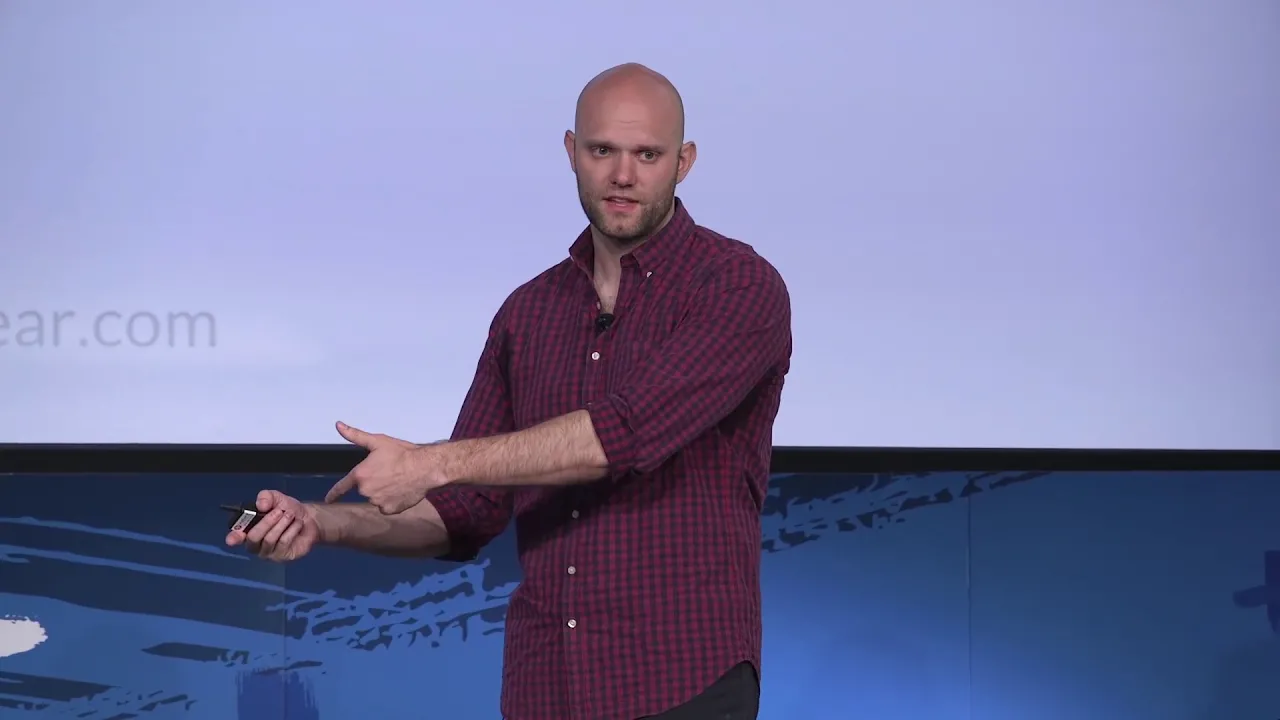
Breaks down atomic habits, including evening rituals to build momentum.
Practical Implementation
Translate science into action with these protocols. Start basic, advance with biohacking tweaks. Evening planning creates "pre-decisions," slashing morning hesitation.
Protocol - Basic 10-Minute Evening Planning
- Review the Day (2 minutes): Note wins and setbacks to build self-efficacy.
- Prioritize Tomorrow (5 minutes): List top 3 tasks using Eisenhower Matrix (urgent vs. important).
- Set Intentions (3 minutes): Use if-then statements, e.g., "If I feel distracted, then I'll take a 5-minute walk."
Frequency: Daily, 30 minutes before bed. Intensity: Low-focus on clarity, not perfection. Progression: Add one habit weekly. Short on time? A 3-minute evening shutdown ritual for professionals covers the essentials when you can't do the full planning session.
🎥 Mel Robbins on evening habits

Shares a 5-step routine for recharging, including planning to combat weariness.
Journaling Integration
DailyLens.app supercharges these protocols by turning data into insights. Track habits, moods, and metrics to iterate scientifically.
Use the app's journaling for evening reflections: Log tasks, rate energy (1-10), and note procrastination triggers. Metrics like HRV, RHR, and mood scores reveal patterns-e.g., if low HRV correlates with skipped planning, adjust.
Sample Daily Journaling Template in DailyLens.app
- Evening Review: What went well today? What triggered procrastination?
- Tomorrow's Plan: Top 3 priorities + one if-then intention.
- Metrics Tracking: HRV reading, sleep quality prediction, mood scale.
- Optimization Prompt: "Based on today's data, how can I tweak tomorrow for 10% more focus?"
This fosters data-driven iterations: If journaling shows caffeine after 2 PM spikes procrastination, eliminate it. Biohackers can overlay wearable data for personalized tweaks, like adding breathwork if mood dips.
Summary / Key Takeaways
- Dedicate 10 evening minutes to planning with if-then intentions to hack your brain's reward system and slash procrastination by up to 30%.
- Combine science-backed protocols with biohacking (e.g., magnesium, breathwork) for advanced optimization, tracking progress via HRV and mood.
- Use DailyLens.app's for daily reviews and iterations-experiment with one change weekly for sustained gains.
- Remember, consistency beats perfection; start small to build unstoppable habits. Track, adjust, and reclaim your productivity.